I’ve spent the better part of the last few years sitting across the table (or more often, on Zoom calls at odd hours) from factory reps in Shenzhen and Dongguan, trying to separate the manufacturers who actually know what they’re doing from the ones who slap a new label on last year’s open-ear earbud mold and call it innovation. Air conduction headphones have become one of those categories where that distinction really matters, so I wanted to put down what I’ve actually learned finding a reliable air conduction headphones manufacturer, not the sanitized version you get from a factory’s own homepage.
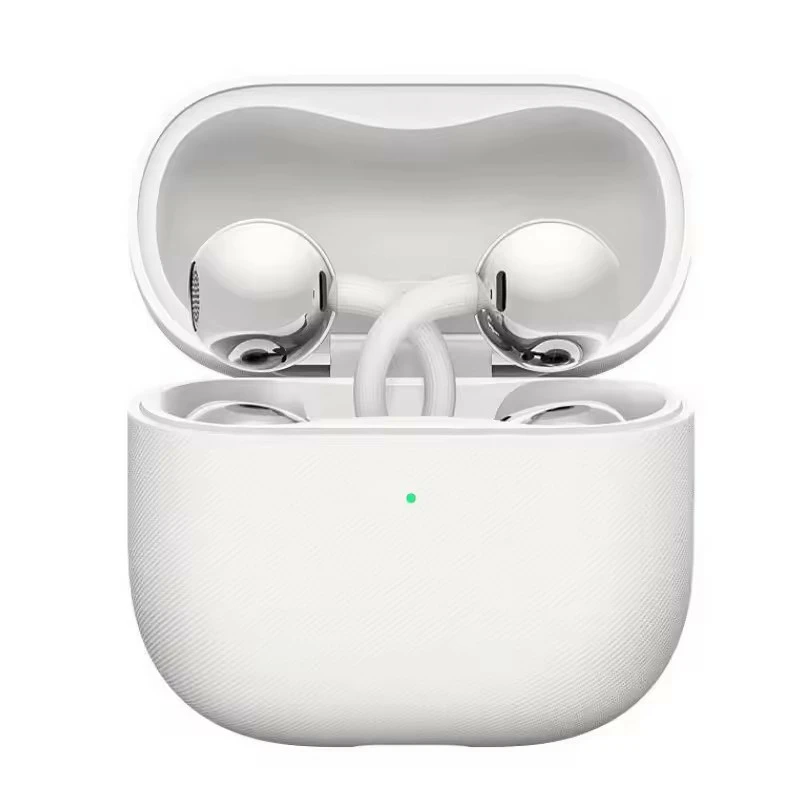
Air Conduction Isn’t Just “Open Ear” Marketing Speak
First, let’s clear something up that trips up a lot of buyers new to this category. Air conduction headphones are not the same thing as bone conduction, even though sales reps sometimes blur the line to make a pitch sound more advanced. Bone conduction transmits sound through vibration against the skull, bypassing the eardrum entirely. Air conduction headphones, on the other hand, use a directional speaker positioned near — but not inside — the ear canal, pushing sound waves through the air the normal way while leaving the ear physically open.
That open-ear design is the whole selling point: situational awareness for runners and cyclists, comfort for long wear during calls, and none of the ear fatigue people complain about with in-ear TWS buds. If you’re sourcing for a fitness brand, a corporate gifting line, or an Amazon private label push, this is the pitch that actually resonates with end users. But it also means the acoustic engineering has to be dialed in correctly, or you end up with tinny sound, obvious sound leakage, or bass that just isn’t there. This is exactly where manufacturer selection makes or breaks your product line.
What Separates a Real Manufacturer From a Trading Company Wearing a Costume
Anyone can register a company in Shenzhen and call themselves an air conduction headphones manufacturer. The real question is whether they own the tooling, control the acoustic design, and can actually iterate when your test units come back with feedback.
A few things I always check before signing anything:
Chipset transparency. Ask which platform they’re running — Qualcomm QCC, Airoha, Bestechnic (BES), or Jieli — and don’t accept a vague answer. The chipset determines your codec support (SBC baseline, AAC for iOS-heavy markets, aptX or LDAC if you’re targeting an audiophile-adjacent SKU), your power draw, and ultimately your battery life claims. If a factory can’t tell you the chipset off the top of their head, that’s a trading company, not a manufacturer.
In-house acoustic tuning. With air conduction and open-ear designs specifically, driver placement and directional acoustics are where the real IP lives. I want to see actual frequency response curves, not a marketing PDF. Factories that own their acoustic chambers and can show measured data are the ones worth working with long term.
Certification readiness. For any real export program you’ll need FCC and CE at minimum, RoHS for material compliance, BQB for Bluetooth qualification, and UKCA if the UK is on your roadmap. If you’re air freighting anything with a battery, UN38.3 documentation isn’t optional. A manufacturer who already holds these certs on their base platform saves you weeks, sometimes months, versus one who has to start the process from scratch for your order.
MOQ, FOB Pricing, and the Reality of OEM/ODM Work
This is the part that catches new sourcing managers off guard. Most serious factories in the Pearl River Delta will quote MOQs anywhere from 500 to 2,000 units depending on whether you’re doing a pure OEM run (their existing shell, your branding) or a full ODM project (custom shell, custom tuning, sometimes custom PCB layout). ODM obviously pushes both MOQ and FOB pricing higher because you’re paying for tooling amortization.
My advice, especially for Amazon sellers testing a new SKU: start with OEM on an existing air conduction platform to validate demand, then move to ODM once you have sales data to justify the tooling investment. I’ve seen too many brand clients sink capital into a fully custom mold before they even know if the category will sell in their market.
Why I Keep Coming Back to Tashells Audio
I’ll be straight with you — I work with several factories depending on the project, but for air conduction and open-ear categories specifically, Tashells Audio has been the most consistent partner I’ve dealt with. They’re not the cheapest quote you’ll get on Alibaba, and I’d be lying if I said otherwise. What they are is reliable on lead times, honest about chipset and codec limitations upfront instead of overselling specs, and their QC catches sound leakage issues before units ship rather than after you’ve got a container full of returns.
For buyers who’ve been burned by a factory that ghosts you the moment a defect rate spikes, that reliability is worth more than a few cents per unit on FOB pricing. They handle both OEM runs for Amazon sellers testing the waters and full ODM programs for brand clients who want proprietary tooling, and their certification documentation has been clean every time I’ve needed it for customs.
A Few Practical Tips Before You Commit
Get physical samples before committing to any production run — photos and spec sheets don’t tell you how sound leakage performs in a real environment. Ask for the acoustic test report specific to your target frequency range, not a generic one from their catalog. And always confirm which certifications are already held on the base platform versus which ones would need to be newly obtained for your specific configuration, since that difference can add real time to your launch schedule.
If you’re evaluating an air conduction headphones manufacturer for the first time, treat the sourcing process the same way you’d treat hiring an engineering partner, not just a supplier. The acoustic quality of open-ear audio lives or dies on tuning expertise, and that’s not something you can fix downstream with better packaging or a slicker Amazon listing.